
Understanding Three Unique Challenges and Psychological Needs Faced by "Highly Intelligent Individuals"
The term "highly intelligent" often conjures images of effortless success and boundless potential. However, behind the high IQ scores and cognitive prowess lies a complex inner world marked by distinct psychological struggles. Intelligence is not merely a cognitive attribute; it is a lens through which individuals perceive and interact with the world, often leading to profound mismatches with conventional environments and social expectations. This article delves beyond the stereotype to explore three core, interlinked challenges uniquely faced by many highly intelligent people. By understanding these struggles—the tyranny of asynchronous development, the pain of intellectual loneliness, and the burden of existential intensity—we can better comprehend their accompanying psychological needs and foster more supportive pathways for their well-being and contribution.

1. 🧠 The Tyranny of Asynchronous Development
One of the most fundamental and misunderstood challenges is asynchronous development. This concept, frequently discussed in gifted education circles, refers to the uneven growth of an individual's intellectual, emotional, social, and physical facets. A person may reason like an adult but process emotions like a child, or possess deep knowledge in one area while lacking basic social cues. This internal dissonance creates persistent friction in a world that expects synchronous, age-appropriate development.
The Intellectual-Emotional Gulf
Highly intelligent individuals often experience emotions with heightened sensitivity and complexity. A child might grasp the existential implications of a story far beyond their years while simultaneously having a toddler-like meltdown over a misplaced toy. This disconnect can lead to intense self-criticism ("I should know better") and confusion from others ("You're so smart, why are you acting like this?"). The cognitive ability to analyze their own emotional states can sometimes exacerbate them, creating feedback loops of anxiety and over-analysis.
Social Navigation Struggles
Asynchronous development frequently results in social challenges. Intellectual peers may be years older, creating a friendship gap in maturity and life experience. Conversely, age-mates may seem intellectually unstimulating or preoccupied with interests that feel trivial. This can leave the highly intelligent person feeling perpetually out-of-sync—too advanced for one group, too inexperienced for another. The result is often social isolation or a learned habit of "camouflaging" their intelligence to fit in, which is psychologically draining.
The Corresponding Psychological Need: Integrated Self-Acceptance
The core need arising from this challenge is not just intellectual stimulation, but holistic acceptance and integration. They need environments—and therapeutic support—that validate all parts of their being. This means recognizing that a brilliant mind can coexist with a fragile heart or clumsy social skills. Guidance should focus on emotional literacy tailored to their cognitive level, strategies for managing overexcitabilities (a concept from Dabrowski's theory), and fostering self-compassion for their uneven growth trajectory. They need permission to be a "multipotentialite" not just in skills, but in their very development.

2. 🏝️ The Profound ache of Intellectual Loneliness
While loneliness is a universal human experience, for the highly intelligent, it often takes the specific form of intellectual loneliness. This is the persistent feeling that no one truly grasps the depth, speed, or connections of their thought processes. It's the loneliness of having an idea or insight and finding no one who can engage with it at its native complexity or with shared enthusiasm.
The "Curse" of Seeing Connections
A hallmark of high intelligence is the ability to rapidly draw connections across disparate fields—linking a philosophical concept to a physics principle to a current political event. Attempting to share these complex, nuanced mental models in casual conversation can lead to blank stares, disinterest, or accusations of "overcomplicating things." The individual learns to self-censor, creating an inner world rich with connection and an outer world that feels flat and disjointed. This can lead to a sense of alienation and a questioning of the value of their own mind.
Struggles with Conversational Mismatch
Conversations often feel either too slow (waiting for others to catch up, anticipating conclusions long before they are voiced) or frustratingly superficial. The highly intelligent person may crave debate on underlying assumptions, while their peers prefer to stay within established boundaries. This mismatch can make small talk feel agonizing and meaningful connection rare. The alternative—dumbing oneself down—feels inauthentic and can foster resentment or depression over time.
The Corresponding Psychological Need: Cognitive Affinity & Authentic Exchange
Beyond general social contact, the deep need here is for cognitive affinity and authentic intellectual exchange. This is the need for "mental resonance." It can be met through finding even one or two "cognitive peers" with whom they can think aloud without judgment or simplification. This also underscores the need for access to communities of interest (online or in-person), mentors, or professions where complex thinking is valued. Therapy for this group should provide a space where their intellectual framework is not pathologized but engaged with, helping them build bridges between their complex inner world and the outer world.

3.⚖️The Burden of Existential Intensity & Moral Overload
High intelligence often correlates with what psychologist Kazimierz Dabrowski called "overexcitabilities"— heightened responses to stimuli. One of the most taxing is psychomotor overexcitability, manifesting as a relentless drive to question, analyze, and seek truth. This, combined with abstract thinking, frequently leads to premature and intense engagement with existential concerns and moral paradoxes.
Early and Acute Existential Awareness
While many grapple with existential questions in adulthood, highly intelligent individuals often confront them in childhood or adolescence: the meaning of life, the fear of death, the problem of suffering, the vastness of the universe. Without the emotional scaffolding of an adult, this can be terrifying and isolating. They may see the "absurdity" or arbitrariness of social conventions long before they develop the coping mechanisms to navigate them healthily, leading to cynicism, depression, or a sense of pointlessness.
The Weight of Global and Ethical Crises
Their ability to comprehend systemic problems—climate change, social injustice, geopolitical strife—in great detail and to project future consequences can lead to a state of chronic "moral overload" or eco-anxiety. They feel the weight of the world's problems acutely and may struggle with the gap between their ideals and reality, or with the perceived inefficacy of individual action. This can result in paralyzing perfectionism ("If I can't solve it completely, why try?") or intense frustration with societal apathy.
The Corresponding Psychological Need: Purposeful Framework & Constructive Outlet
The need here is for a coherent philosophical framework and avenues for constructive action. They require help not to avoid these big questions, but to develop tools to live with them meaningfully. This involves exploring philosophy, spirituality, or value systems to build a personal sense of purpose. Mentorship is crucial to channel their intensity into manageable projects where they can see tangible impact, however small. Cognitive Behavioral Therapy (CBT) can be adapted to challenge catastrophic thinking patterns, while existential therapy can provide a direct forum to grapple with these themes without being diagnosed as simply "anxious." They need to transform their burden of awareness into a compass for action.

Conclusion: From Struggle to Strength
The journey of a highly intelligent individual is not a straightforward path to success but a nuanced navigation of a world not built for their cognitive wiring. The tyranny of asynchronous development, the profound ache of intellectual loneliness, and the burden of existential intensity are not signs of dysfunction but rather inherent aspects of their lived experience. Recognizing these challenges is the first step toward compassion—both from society and from within. The corresponding needs—for integrated self-acceptance, authentic cognitive exchange, and a purposeful framework—are not demands for special treatment, but essential requirements for their mental health and ability to contribute their unique gifts. By creating environments that acknowledge these needs—in homes, schools, workplaces, and therapeutic settings—we move beyond the stereotype of the "smart but troubled" genius. Instead, we foster the conditions where exceptional minds can find not only achievement but also connection, peace, and a profound sense of belonging in a world they are uniquely equipped to understand and improve.
You May Have Missed
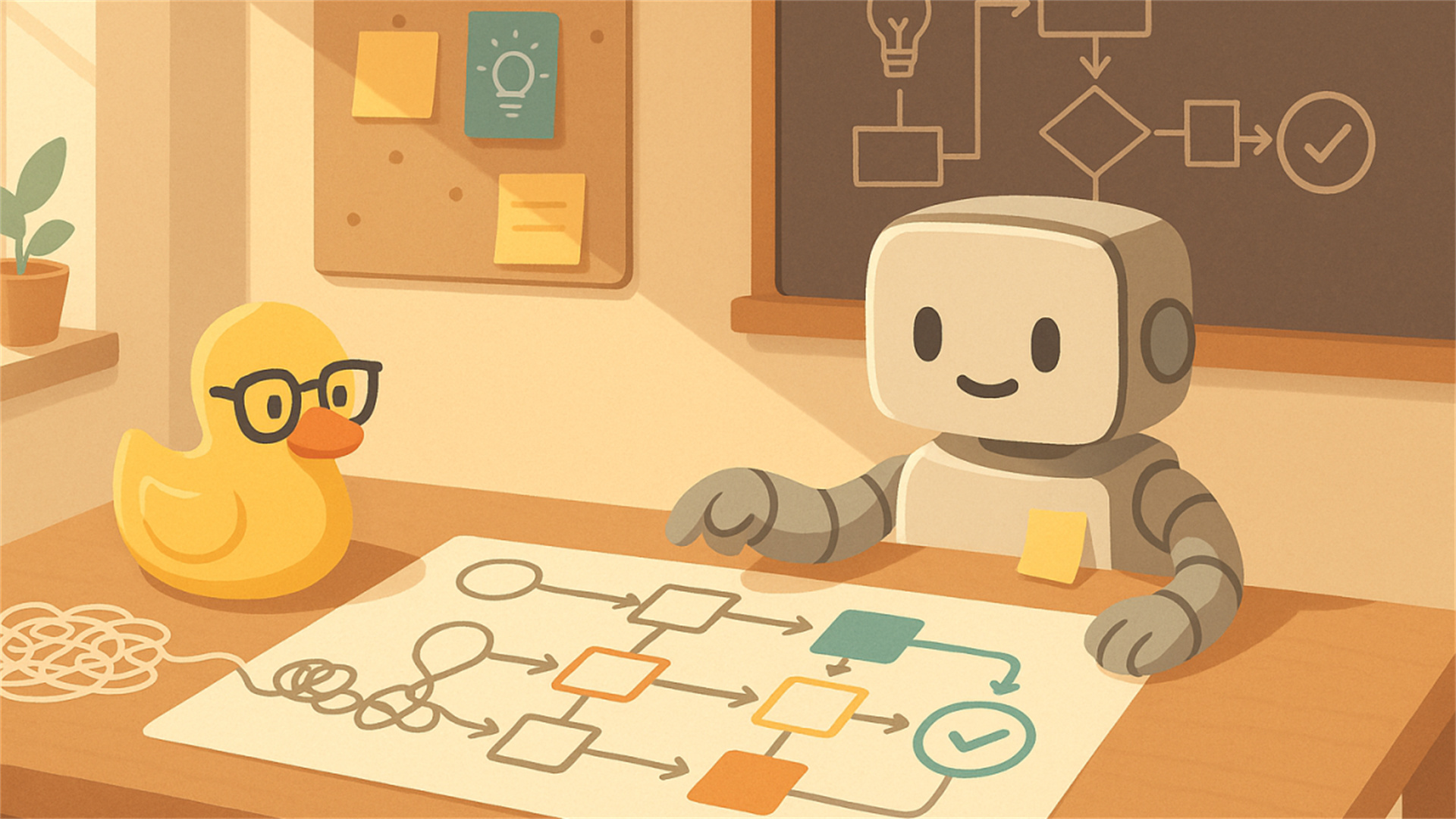
Four Thinking Models and Two Practice Habits to Enhance Knowledge Transfer Ability
In our information-saturated world, the true mark of intelligence is no longer merely what you know, but how effectively you can use that knowledge in novel situations. This crucial skill is known as knowledge transfer—the ability to extract a principle, strategy, or insight from one context and successfully apply it to a different, often unrelated, one. It is the bridge between theoretical understanding and practical innovation, the engine behind creative problem-solving and adaptive expertise. While raw intelligence and memory play a role, knowledge transfer is fundamentally a learnable skill, honed through deliberate mental frameworks and consistent practice. This article explores four powerful thinking models that reshape how you process information, coupled with two foundational practice habits, to systematically build your capacity for seamless and powerful knowledge transfer.
The "Dual Encoding" Memory Method, Popular in Academia, and Its Four Applications in Daily Learning
In the relentless pursuit of academic excellence and efficient knowledge retention, learners and researchers are constantly seeking powerful cognitive tools. One method that has gained significant traction within academic circles is the Dual Encoding Theory (DET), a cognitive theory proposed by psychologist Allan Paivio. At its core, Dual Encoding posits that information presented both visually and verbally is recalled more easily and accurately than information presented in only one format. This is because our brains possess two partially independent yet interconnected systems for processing information: one for verbal language (words, sentences) and one for non-verbal imagery (pictures, sounds, sensations). When we encode information using both "channels"—for instance, by linking a concept to a mental image or a diagram—we create two distinct memory traces. These traces reinforce each other, providing multiple pathways for retrieval and making the memory more robust and resistant to forgetting.

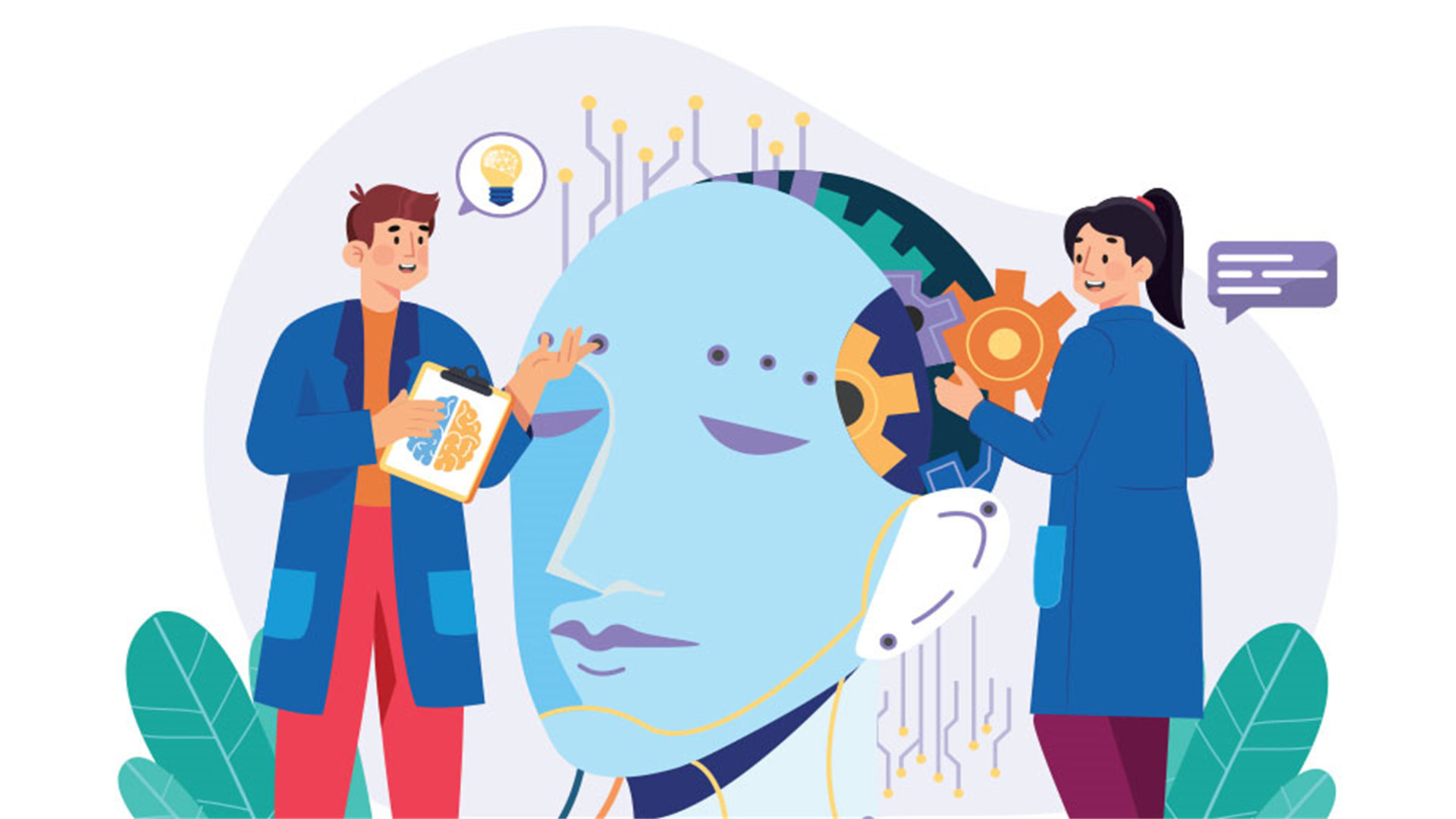
Deconstructing the 5 Core Abilities and 3 Key Limitations of Intelligence
Intelligence, whether biological or artificial, is a multifaceted construct that drives problem-solving, adaptation, and innovation. It is not a monolithic trait but a suite of interconnected capabilities that enable an entity to perceive its environment, process information, and act effectively towards goals. In the contemporary discourse, fueled by rapid advancements in Artificial Intelligence (AI), understanding the core components of intelligence has never been more critical. This deconstruction moves beyond abstract definitions to examine the fundamental operational abilities that constitute intelligent behavior. Simultaneously, a clear-eyed view demands an acknowledgment of the inherent and practical boundaries that constrain even the most sophisticated systems. This analysis provides a framework for understanding both the powerful potential and the sobering constraints of intelligence as we engineer and interact with it.
We focus on sharing high-quality original content covering diverse fields such as technology & digital, life essays, and practical useful tips. We polish every article with care to bring you a warm and in-depth reading experience. Explore more interesting new knowledge only at FunLab666.