
Nutritional Neuroscience Reveals Three Core Nutrients for Enhancing Focus and Memory
For decades, the quest for sharper focus and a more resilient memory has led many down paths of brain-training apps, productivity hacks, and sheer willpower. However, emerging research from the field of nutritional neuroscience is illuminating a fundamental truth: the building blocks of our cognitive prowess are found not in an app store, but on our plates. This interdisciplinary science explores the profound connection between the nutrients we consume and the structure, function, and performance of our brains. It moves beyond general advice like "eat healthy" to pinpoint specific dietary components that directly influence neural pathways, neurotransmitter synthesis, and neuroprotection. This article delves into the core findings of nutritional neuroscience, unveiling three essential nutrient groups that are scientifically validated to enhance concentration, support memory formation, and protect cognitive longevity. By understanding and incorporating these nutrients, we can make informed, powerful choices to fuel our mental clarity and cognitive health.
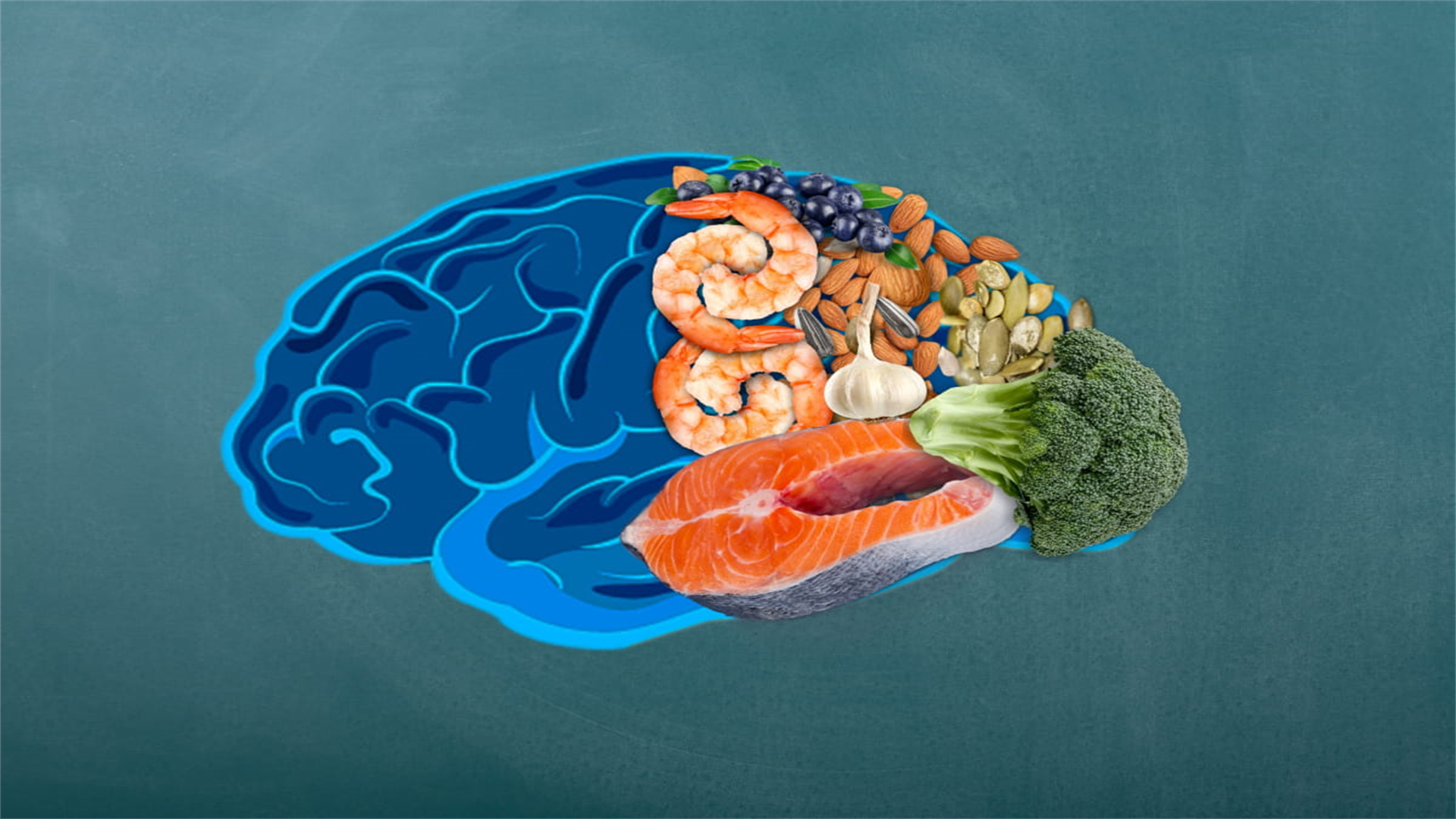
1. 🧠 The Foundation: How Nutrition Directly Powers the Brain
Before identifying the specific nutrients, it's crucial to understand the mechanisms by which food becomes brain fuel. The human brain, representing only about 2% of body weight, consumes approximately 20% of the body's energy and nutrient resources. This high metabolic demand makes it exceptionally sensitive to dietary intake.
1.1. The Blood-Brain Barrier and Nutrient Selection
The brain is protected by a highly selective filter known as the blood-brain barrier (BBB). This gatekeeper tightly controls what substances from the bloodstream can enter the brain's delicate environment. The nutrients highlighted by nutritional neuroscience are those that can efficiently cross this barrier or are used to create compounds that do. They are the raw materials for building brain cells, creating communication chemicals, and defending against oxidative stress.
1.2. Neurotransmitter Synthesis: The Chemistry of Thought
Focus, alertness, and memory recall are governed by chemical messengers called neurotransmitters. Key players include:
• Acetylcholine: Vital for learning, memory, and muscle activation. Its precursors come directly from dietary choline.
• Dopamine and Norepinephrine: Central to motivation, attention, and executive function. Their production relies on specific amino acids and co-factors from food.
• Serotonin: Regulates mood, sleep, and appetite, indirectly influencing cognitive stability. Its precursor, tryptophan, is an essential amino acid.
Without the right nutritional substrates, the synthesis of these critical neurotransmitters becomes impaired.
1.3. Structural Integrity: Building and Protecting Neurons
Neurons and their extensive connections (synapses) require constant maintenance. Dietary fats are incorporated directly into neuronal membranes, affecting their fluidity and the efficiency of signal transmission. Antioxidants from food patrol the brain, neutralizing free radicals that can damage these delicate cellular structures over time. Nutritional neuroscience thus identifies nutrients that act as both construction materials and protective shields for the brain's hardware.
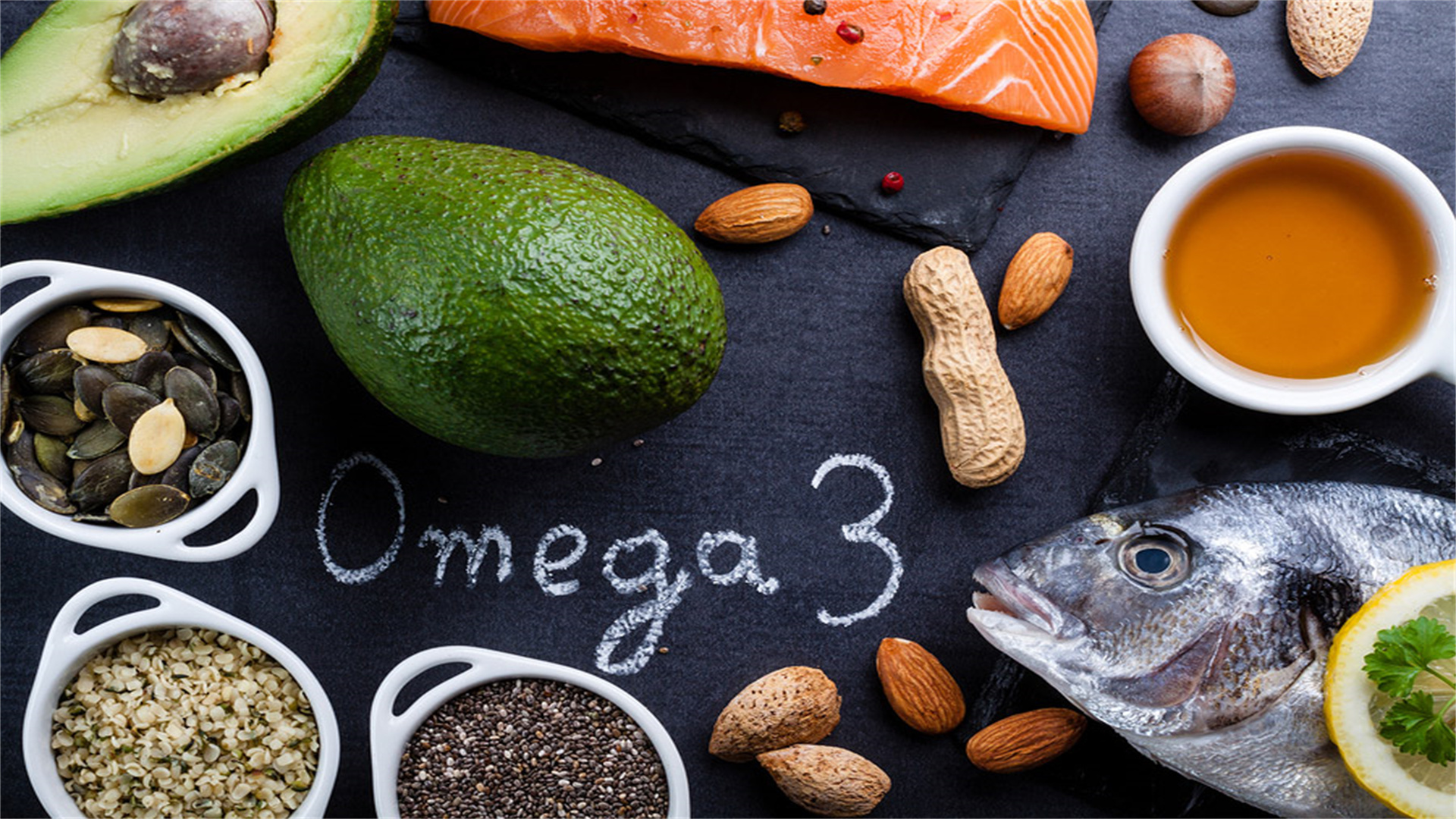
2. 🐟 Core Nutrient #1: Omega-3 Fatty Acids – The Architects of Cell Membranes
Omega-3 fatty acids, particularly docosahexaenoic acid (DHA) and eicosapentaenoic acid (EPA), are the most celebrated stars in nutritional neuroscience for cognitive function. DHA is a primary structural component of neuronal membranes in the cerebral cortex—the brain region responsible for memory, language, and creativity.
2.1. Mechanism of Action: Fluidity and Communication
DHA integrates into neuron membranes, increasing their "fluidity." This is akin to improving the flexibility and quality of electrical wiring. A more fluid membrane allows for:
• Enhanced Signal Transmission: Receptors and ion channels function more efficiently, speeding up communication between neurons.
• Improved Synaptic Plasticity: This is the ability of synapses to strengthen or weaken over time, which is the fundamental physiological basis for learning and memory.
EPA, while less abundant in the brain, plays a more regulatory role, supporting blood flow and reducing inflammatory processes that can hamper cognitive function.
2.2. Evidence from Research
Numerous studies correlate Omega-3 intake with cognitive benefits. A landmark study published in Neurology found that individuals with higher levels of DHA in their blood had larger brain volumes and better cognitive test scores in later life. Research on children and adults with attention deficits has shown that supplementation can improve measures of attention, vigilance, and reaction time.
2.3. Best Dietary Sources
The body cannot produce sufficient Omega-3s on its own; they must be obtained from the diet.
• High-EPA/DHA Sources: Fatty fish (salmon, mackerel, sardines, herring), algae oil (a vegan source of DHA/EPA).
• ALA Sources (a precursor the body converts inefficiently): Flaxseeds, chia seeds, walnuts.
Nutritional neuroscience suggests aiming for 2-3 servings of fatty fish per week or considering a high-quality supplement if dietary intake is low.
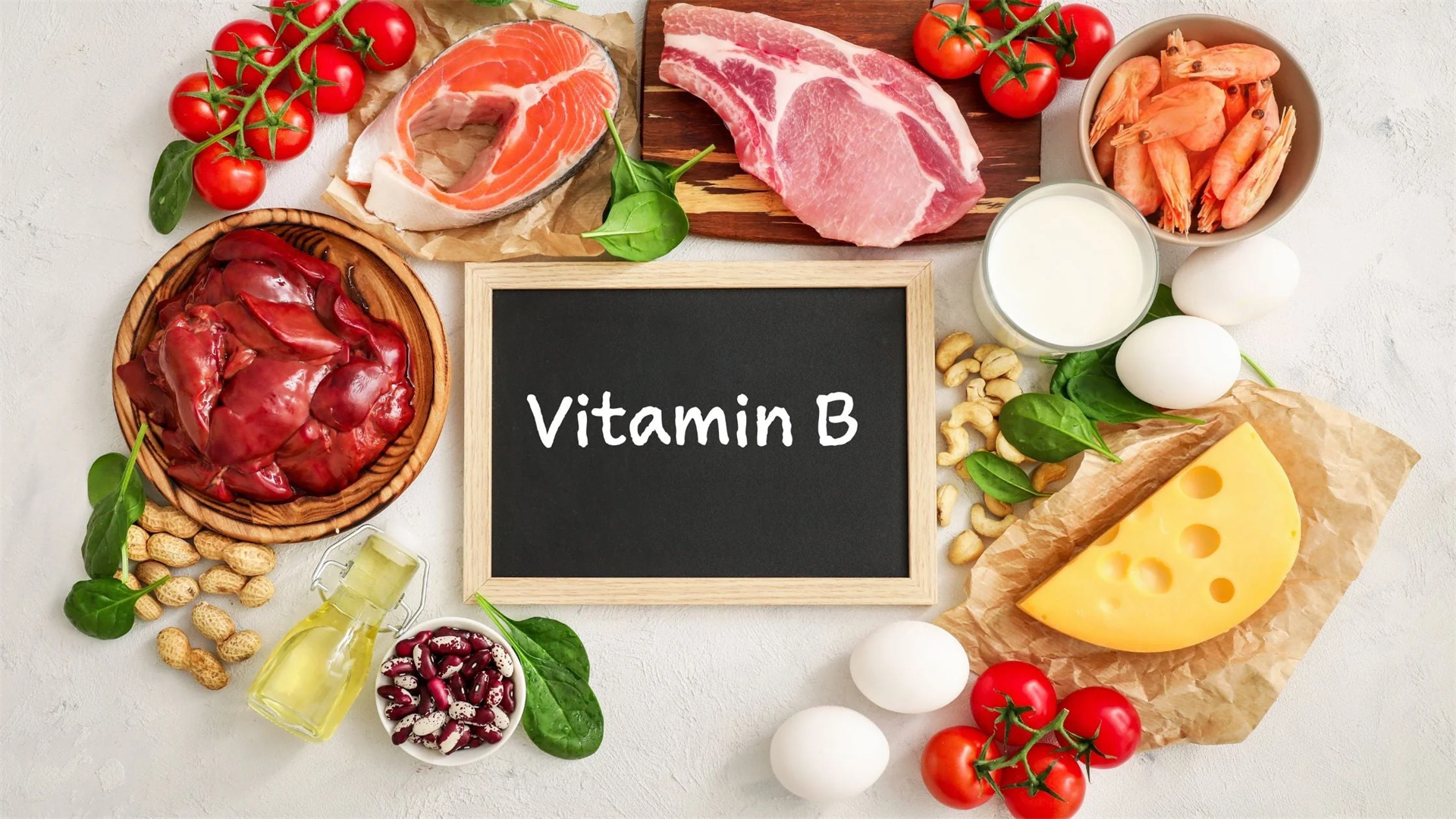
3. 💊 Core Nutrient #2: B Vitamins – The Masters of Metabolism and Methylation
The B-vitamin complex—including B6 (pyridoxine), B9 (folate), and B12 (cobalamin)—acts as essential coenzymes in countless biochemical reactions in the brain. They are indispensable for energy production, DNA synthesis, and, most critically, a process called methylation.
3.1. Mechanism of Action: Fueling the Engine and Protecting the Code
• Energy Production: Neurons are energy-hungry. B vitamins are crucial in the mitochondria (cellular power plants) for converting glucose into ATP, the molecule that fuels every cellular process, including firing neurons and maintaining membrane potentials.
• Methylation and Neurotransmitter Synthesis: This is a key process where methyl groups are transferred between molecules. It is vital for:
- Synthesizing neurotransmitters like serotonin, dopamine, and GABA.
- Regulating gene expression related to brain function.
- Forming myelin, the protective sheath that insulates nerve fibers and speeds up signal transmission.
• Homocysteine Regulation: B6, B9, and B12 are required to convert homocysteine, an amino acid that can be neurotoxic at high levels, into beneficial substances. Elevated homocysteine is a recognized risk factor for cognitive decline and vascular dementia.
3.2. Evidence from Research
Studies consistently show that deficiencies in B vitamins, especially B12 and folate, are linked to brain fog, fatigue, poor memory, and long-term risk of neurodegeneration. A significant study in the American Journal of Clinical Nutrition demonstrated that high-dose supplementation with B6, B9, and B12 over two years slowed the rate of brain atrophy (shrinkage) in elderly subjects with mild cognitive impairment, particularly in regions vulnerable to Alzheimer's disease.
3.3. Best Dietary Sources
• Vitamin B12: Almost exclusively in animal products (meat, liver, eggs, dairy, shellfish). Vegans and some vegetarians must supplement or consume fortified foods.
• Folate (B9): Leafy green vegetables (spinach, kale), legumes, avocados, citrus fruits.
• Vitamin B6: Poultry, fish, potatoes, chickpeas, bananas, and fortified cereals.
A balanced diet typically provides these, but absorption can decrease with age or certain medications, making status awareness important.
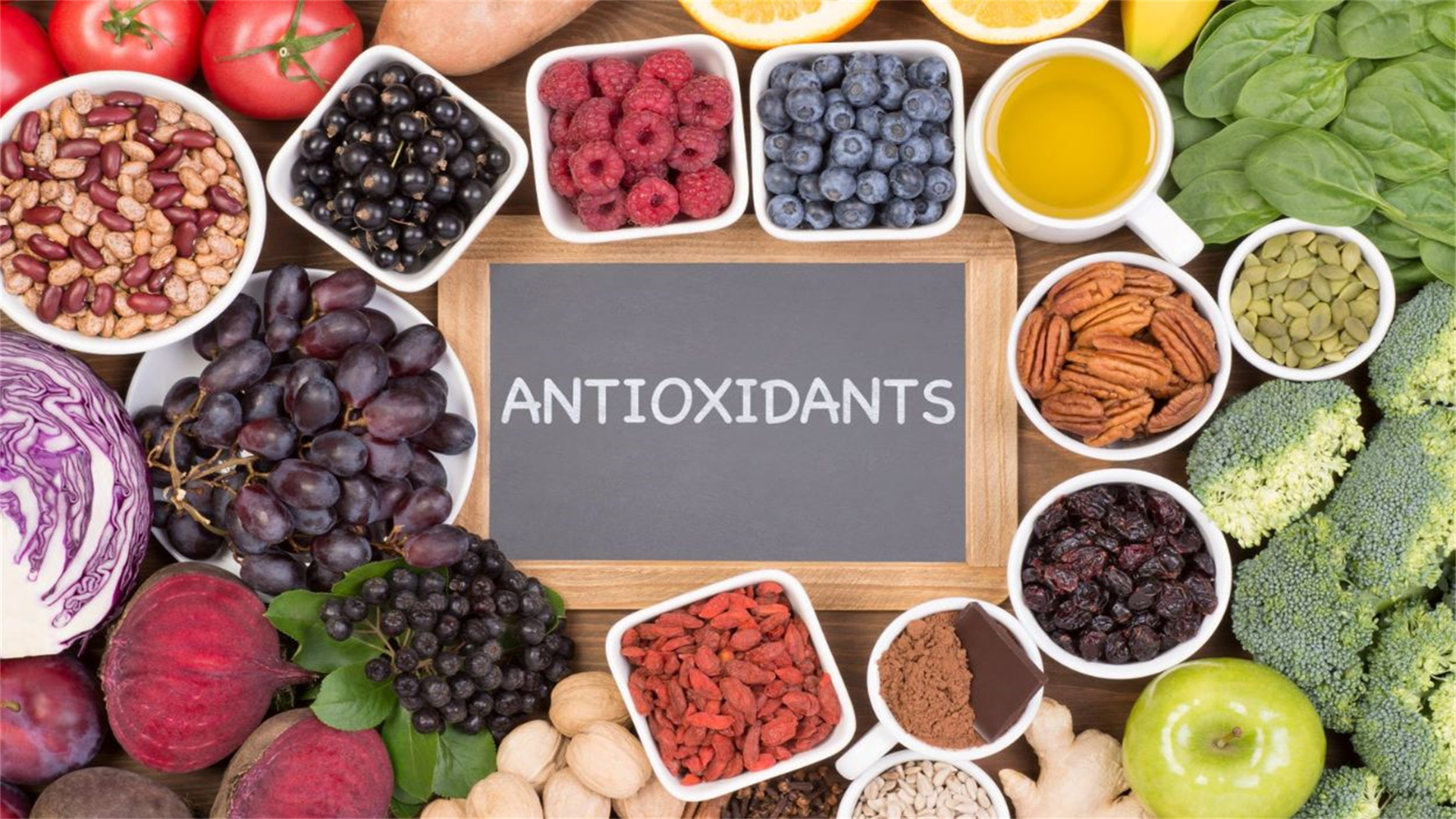
4. 🛡️ Core Nutrient #3: Antioxidants (Flavonoids & Vitamin E) – The Neural Defense System
The brain is exceptionally susceptible to oxidative stress due to its high oxygen consumption, rich lipid content, and relatively lower levels of endogenous antioxidants. Free radicals generated during normal metabolism can damage neurons, lipids, proteins, and DNA—a process implicated in aging and neurodegenerative diseases. Dietary antioxidants are the brain's external defense corps.
4.1. Mechanism of Action: Scavenging and Signaling
• Direct Neutralization: Compounds like Vitamin E (alpha-tocopherol) are fat-soluble and embed themselves in neuronal membranes, directly quenching lipid peroxidation chain reactions that would otherwise damage the cell's structure.
• Flavonoid Power: Found in brightly colored plants, flavonoids (e.g., anthocyanins, flavanols) have multi-faceted actions:
- They are potent antioxidants and anti-inflammatory agents.
- They enhance blood flow to the brain, delivering more oxygen and nutrients.
- Remarkably, they can stimulate neurogenesis (the growth of new neurons) in the hippocampus, a key memory center, and strengthen existing synaptic connections.
4.2. Evidence from Research
The long-term Harvard-based Nurses' Health Study found that women who consumed the most blueberries and strawberries—rich in flavonoids—delayed cognitive aging by up to 2.5 years. Research on cocoa flavanols shows they can improve performance on demanding cognitive tasks and increase cerebral blood flow. Vitamin E supplementation has shown mixed results but is strongly linked to lower risk of Alzheimer's in epidemiological studies when consumed from food.
4.3. Best Dietary Sources
• Flavonoids: Berries (blueberries, strawberries, blackberries), dark chocolate/cocoa (>70%), citrus fruits, tea (especially green tea), red grapes, onions, and leafy greens.
• Vitamin E: Nuts (almonds, hazelnuts), seeds (sunflower seeds), spinach, broccoli, and plant oils (like wheat germ oil).
Nutritional neuroscience emphasizes getting antioxidants from whole foods rather than high-dose supplements, as the synergistic effect of compounds in food is believed to be more beneficial.
5. 🍽️ Synthesis and Practical Application: Building a Brain-Boosting Diet
Understanding the individual nutrients is only the first step. The power of nutritional neuroscience lies in synthesizing this knowledge into a sustainable, holistic eating pattern that synergistically supports cognitive function.
5.1. The Synergistic Plate
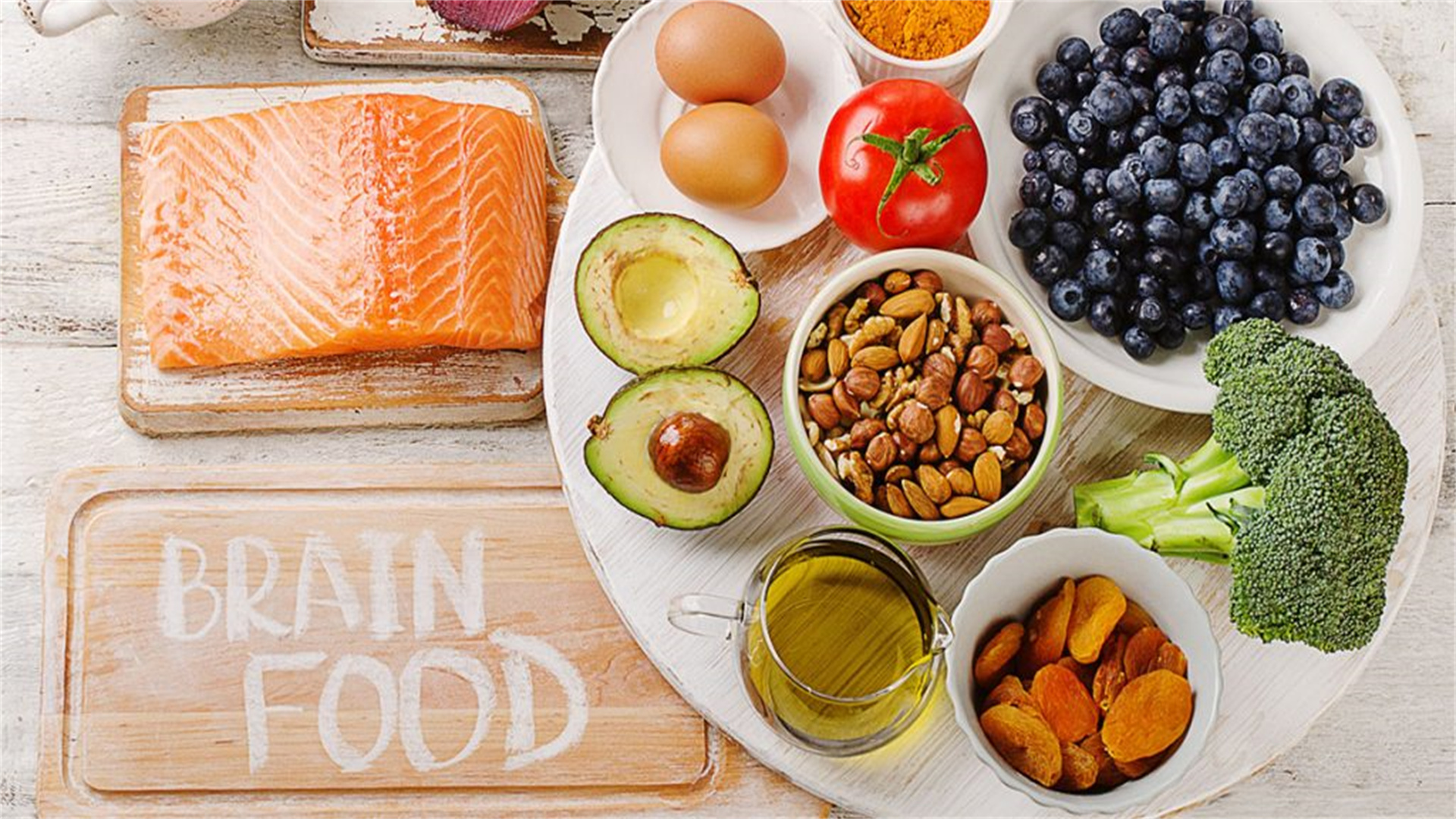
A meal combining wild salmon (rich in Omega-3s and B12), a quinoa and spinach salad (providing folate, B6, and Vitamin E), and a side of blueberries (flavonoids) delivers all three core nutrient groups in one sitting. This synergy is greater than the sum of its parts, as the nutrients work in concert—e.g., antioxidants protect the delicate Omega-3 fats from oxidation.
5.2. Dietary Patterns Over Isolated Nutrients
Research consistently shows that dietary patterns like the Mediterranean diet or MIND diet—which are naturally high in fatty fish, leafy greens, berries, nuts, and whole grains—are associated with the strongest protection against cognitive decline. These patterns automatically incorporate the core nutrients in balanced proportions.
5.3. Considerations for Supplementation
While food should always be the foundation, supplementation may be warranted in specific cases:
• Those who eat little to no fish may consider an algae-based Omega-3 supplement.
• Individuals over 50, vegans/vegetarians, or those with digestive issues should have their B12 levels checked and may need to supplement.
• A general high-quality multivitamin can act as a nutritional safety net but is not a substitute for a poor diet.
It is always advisable to consult with a healthcare provider before starting any new supplementation regimen.
6. 🔭 The Future of Nutritional Neuroscience and Conclusion
The field of nutritional neuroscience is rapidly evolving, moving from correlation to a deeper understanding of causation. Future research is exploring the gut-brain axis—how the microbiome influences nutrient absorption and produces neuroactive compounds—and personalized nutrition based on genetic predispositions.
6.1. Key Takeaways for Enhanced Focus and Memory
To harness the power of nutritional neuroscience for sharper focus and a stronger memory, prioritize these three pillars:
1. Prioritize Omega-3s: Incorporate fatty fish or algal sources regularly to build and maintain fluid, high-functioning neuronal membranes.
2. Optimize B-Vitamin Intake: Ensure adequate consumption of leafy greens, legumes, and quality animal products (or supplements) to fuel brain energy, support methylation, and keep homocysteine in check.
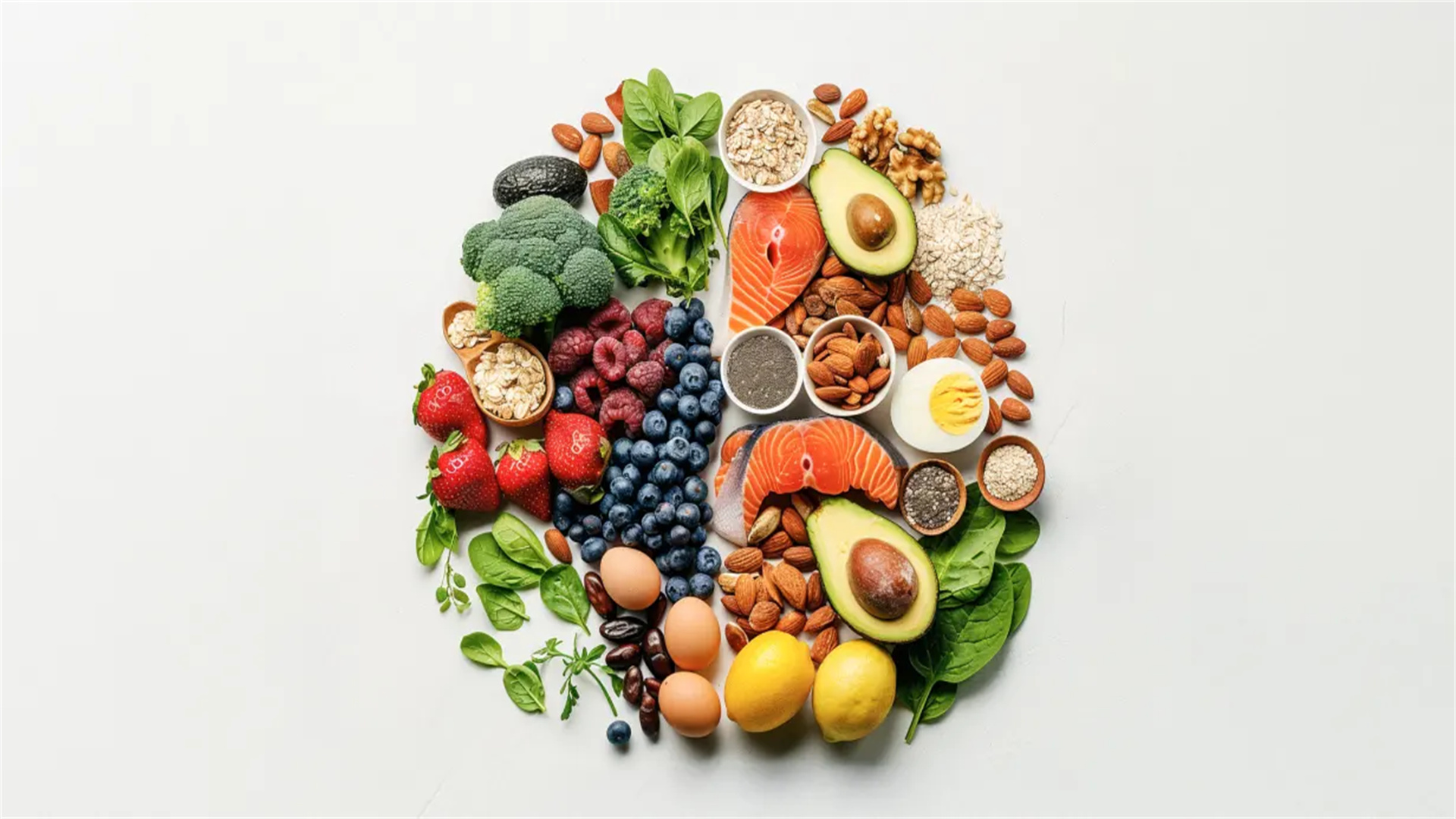
3. Fortify with Antioxidants: Eat a colorful array of berries, dark leafy greens, nuts, and dark chocolate daily to defend your neurons from oxidative stress and support neurovascular health.
6.2. A Final Thought
Enhancing cognitive function is not about finding a single "smart pill." Nutritional neuroscience reveals it is about consistently providing the brain with the specific, high-quality raw materials it requires to build, protect, and optimize itself. By making conscious choices to include these three core nutrient groups in your daily diet, you are engaging in the most fundamental and powerful form of brain maintenance and optimization—laying a solid biochemical foundation for a lifetime of clear thinking, sharp focus, and resilient memory.
You May Have Missed

Three Scientific Rest Modes and One Sleep Formula to Improve Brain Efficiency
In an era where mental agility and productivity are paramount, understanding how to enhance brain efficiency is more important than ever. While diet, exercise, and cognitive training often take center stage, scientific evidence overwhelmingly highlights rest and sleep as foundational pillars for optimal brain function. Brain efficiency refers to the ability to process information quickly, maintain focus, solve problems effectively, and retain memories—all of which can be significantly improved through deliberate rest practices and quality sleep. This article delves into three scientifically validated rest modes—micro-breaks, mindful rest, and active rest—along with one comprehensive sleep formula, all designed to boost your cognitive capabilities. By integrating these strategies into your daily life, you can combat mental fatigue, enhance creativity, and achieve sustained peak performance in both personal and professional realms. The following sections will explore each rest mode in detail, backed by research from neuroscience and psychology, and provide a practical sleep formula to round out your brain optimization toolkit.

The "Dual Encoding" Memory Method, Popular in Academia, and Its Four Applications in Daily Learning
In the relentless pursuit of academic excellence and efficient knowledge retention, learners and researchers are constantly seeking powerful cognitive tools. One method that has gained significant traction within academic circles is the Dual Encoding Theory (DET), a cognitive theory proposed by psychologist Allan Paivio. At its core, Dual Encoding posits that information presented both visually and verbally is recalled more easily and accurately than information presented in only one format. This is because our brains possess two partially independent yet interconnected systems for processing information: one for verbal language (words, sentences) and one for non-verbal imagery (pictures, sounds, sensations). When we encode information using both "channels"—for instance, by linking a concept to a mental image or a diagram—we create two distinct memory traces. These traces reinforce each other, providing multiple pathways for retrieval and making the memory more robust and resistant to forgetting.

Four Thinking Models and Two Practice Habits to Enhance Knowledge Transfer Ability
In our information-saturated world, the true mark of intelligence is no longer merely what you know, but how effectively you can use that knowledge in novel situations. This crucial skill is known as knowledge transfer—the ability to extract a principle, strategy, or insight from one context and successfully apply it to a different, often unrelated, one. It is the bridge between theoretical understanding and practical innovation, the engine behind creative problem-solving and adaptive expertise. While raw intelligence and memory play a role, knowledge transfer is fundamentally a learnable skill, honed through deliberate mental frameworks and consistent practice. This article explores four powerful thinking models that reshape how you process information, coupled with two foundational practice habits, to systematically build your capacity for seamless and powerful knowledge transfer.
We focus on sharing high-quality original content covering diverse fields such as technology & digital, life essays, and practical useful tips. We polish every article with care to bring you a warm and in-depth reading experience. Explore more interesting new knowledge only at FunLab666.