
Insomnia Isn't Just About Melatonin! 5 Steps to Reset Your Sleep Clock
For many struggling with sleepless nights, the solution seems to be found in a bottle. Melatonin supplements have become the go-to remedy, a quick fix for a body that won't quiet down. While melatonin plays a crucial role in signaling sleepiness, chronic insomnia is rarely just a simple hormone deficiency. It's often a symptom of a misaligned circadian rhythm—your internal sleep clock that dictates your sleep-wake cycle, hormone release, and body temperature. Resetting this master clock requires a holistic approach that goes far beyond supplementation. It's about retraining your brain and body to recognize when it's truly time for rest. This guide delves into five foundational, science-backed steps to synchronize your circadian rhythm and reclaim restorative sleep.
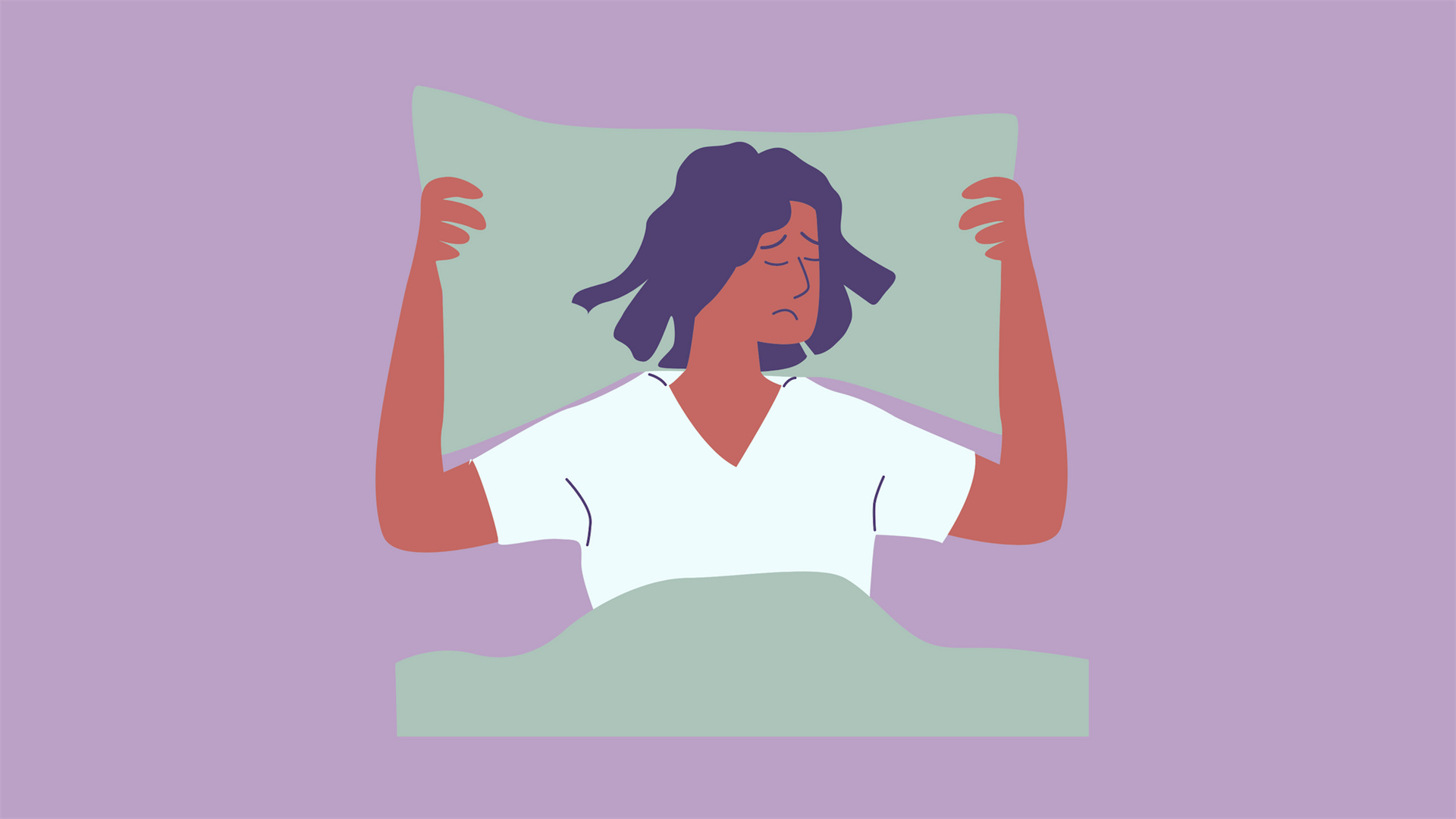
🌙 Step 1: Master Your Light Exposure
Light is the most powerful cue for your circadian rhythm. Your brain uses light information, especially from the sun, to set its internal clock. Modern life, with its screens and indoor lighting, bombards this system at all the wrong times.
☀️1. Seek Morning Sunlight
Aim for at least 30 minutes of natural light exposure within an hour of waking. This doesn't require intense exercise; a walk with your coffee or breakfast by a sunny window suffices. The bright morning light suppresses lingering melatonin and signals to your brain that the day has begun, effectively "setting" your clock for the next 16-18 hours.
🌆 2. Embrace the Evening Dim
As sunset approaches, start reducing your exposure to bright and blue light. Blue light, emitted by phones, tablets, and computers, is particularly effective at suppressing melatonin. Use built-in device settings like "Night Shift" or "Blue Light Filter" after dusk. Consider wearing amber-tinted blue light blocking glasses if you must use screens in the evening.
💡 3. Optimize Indoor Lighting
In the 1-2 hours before bed, use dim, warm-toned lamps instead of overhead lights. Replace bright white bulbs in your bedroom and bathroom with warmer color temperatures (under 3000 Kelvin). This creates a sunset-like environment, naturally encouraging melatonin production.

🕰️ Step 2: Regulate Eating & Exercise Timing
Your digestive system and metabolism also follow a circadian rhythm. When and what you eat, along with your physical activity, send strong signals to your internal clock about what "time" it is.
🍽️ 1. Establish Consistent Meal Times
Try to eat your meals at roughly the same times each day, with a particular focus on breakfast and dinner. A consistent breakfast time helps anchor your morning wake-up signal. Conversely, finish your last large meal at least 2-3 hours before bedtime to allow for digestion. A heavy meal too late can raise core body temperature and disrupt sleep onset.
🚫 2. Be Strategic with Caffeine and Alcohol
Caffeine has a half-life of 5-6 hours, meaning it can linger in your system long after your last sip. Establish a "caffeine curfew" (e.g., no coffee after 2 PM). While alcohol may induce drowsiness, it severely fragments sleep architecture in the second half of the night, preventing deep, restorative sleep. Avoid alcohol for at least 3 hours before bed.
🏃 3. Time Your Exercise Wisely
Regular exercise is fantastic for sleep, but its timing matters. Morning or afternoon exercise can help reinforce your circadian rhythm and deepen sleep. Vigorous exercise too close to bedtime (within 1-2 hours) can be over-stimulating for some people due to the release of endorphins and a rise in core body temperature. If you exercise in the evening, opt for gentle activities like yoga or stretching.

😌 Step 3: Craft a Wind-Down Ritual
Your brain needs a clear transition from the alertness of the day to the tranquility of sleep. A predictable, relaxing pre-sleep routine acts as a series of cues, telling your nervous system it's safe to power down.
🧘 1. Incorporate Relaxation Techniques
Dedicate the last 60 minutes before bed to calming activities. This could include gentle yoga, progressive muscle relaxation, deep breathing exercises (like the 4-7-8 method), or a short meditation. These practices activate the parasympathetic nervous system ("rest-and-digest"), countering the stress hormones that fuel insomnia.
📵 2. Implement a Digital Sunset
Make it a non-negotiable rule to disconnect from all screens—phones, TVs, laptops—at least 60 minutes before your target bedtime. The mental stimulation from scrolling through news or social media is just as disruptive as the blue light. Charge your devices outside the bedroom.
🛁 3. Use a "Worry Journal" and Relaxing Activities
If racing thoughts keep you awake, spend 10-15 minutes earlier in the evening writing down your worries and tomorrow's to-do list. This gets them out of your head and onto paper. Follow this with a non-screen, low-stimulation activity like reading a physical book (not a thriller!), listening to calming music or a sleep story, or taking a warm bath. The rise and subsequent fall in body temperature from a bath can promote drowsiness.
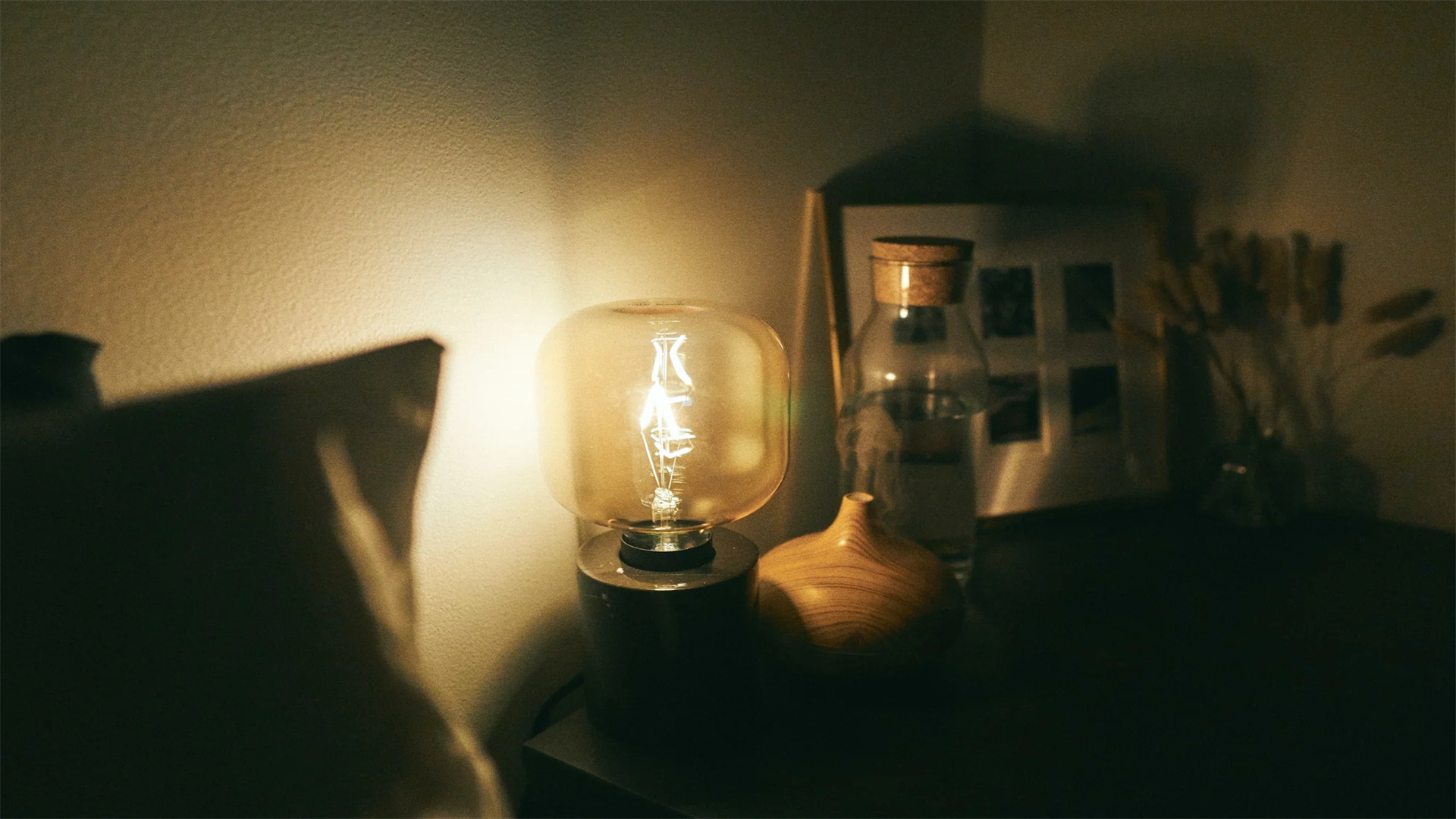
🛏️ Step 4: Optimize Your Sleep Sanctuary
Your bedroom environment should send one unambiguous message: this is a place for sleep (and intimacy only). Even subtle environmental factors can prevent your brain from fully shutting off.
🌡️ 1. Prioritize Cool, Dark, and Quiet
The ideal sleep temperature is around 65°F (18.3°C). A cool room facilitates the natural drop in core body temperature needed for sleep. Use blackout curtains or a quality sleep mask to achieve total darkness. Even small amounts of light can disrupt melatonin production. Use earplugs, a white noise machine, or a fan to mask disruptive sounds.
🛌 2. Invest in Your Bed
Your mattress and pillows should provide proper support and comfort. An old, unsupportive mattress can cause pain and frequent awakenings. Ensure your bedding is comfortable for the season. Consider using breathable, natural fabrics like cotton or linen.
🚶 3. Strengthen the Bed-Sleep Connection
Practice the rule: The bed is for sleep and sex only. Avoid working, eating, or watching entertainment in bed. If you find yourself awake and frustrated for more than 20 minutes, get out of bed. Go to another dimly lit room and do a quiet, boring activity (like reading a mundane book) until you feel sleepy again. This helps break the association between bed and anxiety/alertness.
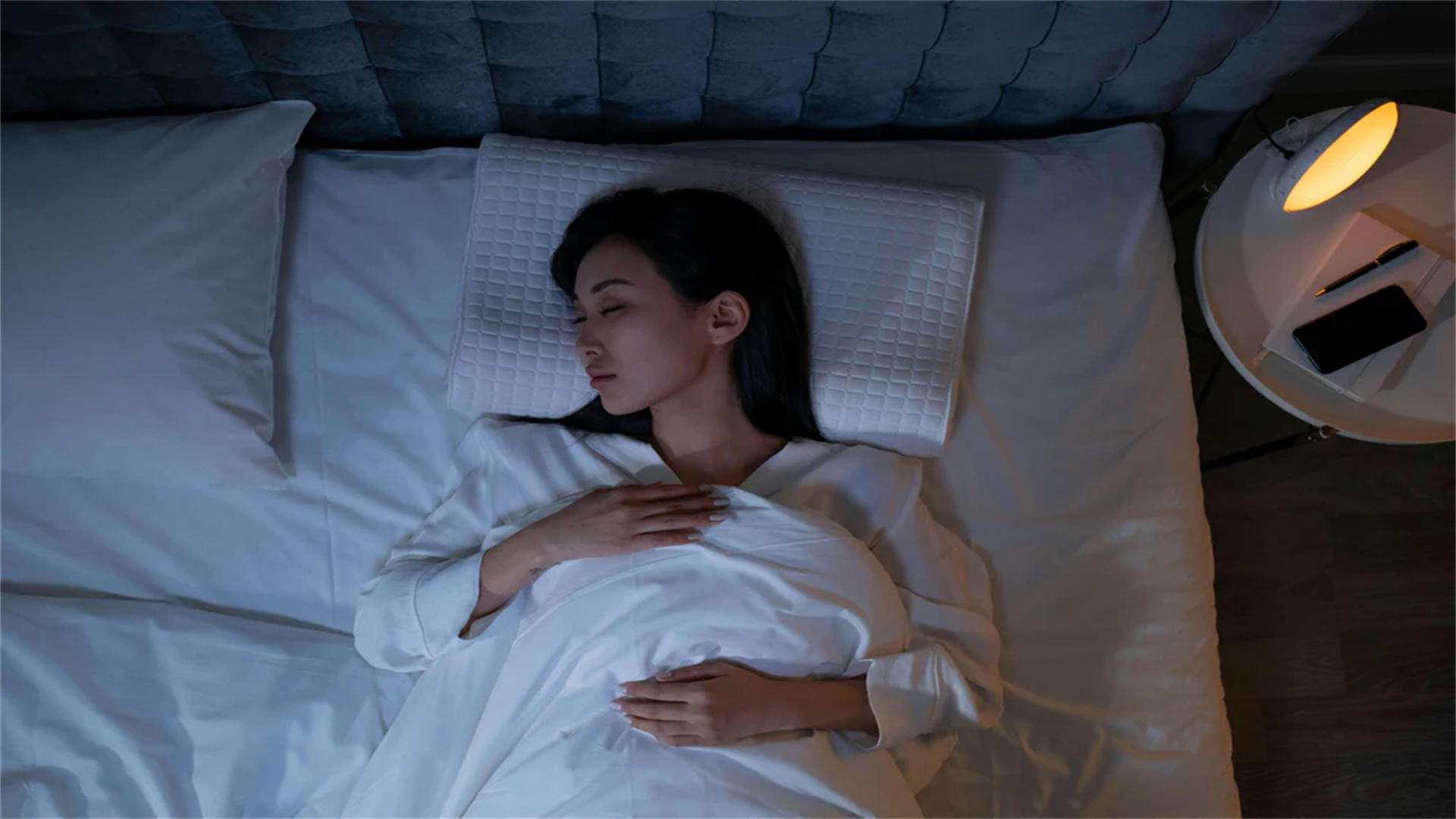
⏰Step 5: Lock In a Consistent Schedule
Consistency is the single most important factor in resetting your circadian rhythm. Your body thrives on predictability. A fixed schedule tells your internal clock precisely when to release wake-up hormones and when to trigger sleepiness.
🌅 1. Fix Your Wake-Up Time
Choose a realistic wake-up time and stick to it every single day—weekends included. Yes, even on Saturdays and Sundays. This is non-negotiable for clock resetting. Waking at the same time anchors your rhythm, making it easier for your body to predict bedtime later.
🌙 2. Calculate Backwards for Bedtime
Once your wake time is fixed, calculate your target bedtime based on getting 7-9 hours of sleep. For example, with a 6:30 AM wake time, you should be aiming to be asleep by 10:30 PM for 8 hours of rest. Start your wind-down routine accordingly.
⚖️3. Be Patient and Avoid Compensating
Resetting a sleep clock takes time—often several weeks. You may feel sleepier in the first few days as your body adjusts. Resist the urge to nap for more than 20 minutes in the early afternoon, and absolutely avoid long or late naps. Do not sleep in on weekends to "catch up," as this undoes your progress by confusing your clock.

💤 Conclusion: Syncing Your Symphony of Sleep
Overcoming chronic insomnia and resetting your sleep clock is not about finding a single magic bullet. It's about conducting the symphony of factors that influence your circadian rhythm. While melatonin is one instrument in the orchestra, true harmony comes from synchronizing light, timing, behavior, environment, and consistency. By methodically implementing these five steps—mastering light, regulating timing, crafting a ritual, optimizing your sanctuary, and locking in a schedule—you empower your body's innate ability to regulate sleep. This holistic approach addresses the root cause of circadian misalignment rather than just masking the symptom of sleeplessness. Be patient and persistent with the process. By giving your internal clock clear, consistent cues, you can move past the quick fixes and build the foundation for truly restorative, natural sleep night after night.
You May Have Missed

From Identifying 4 Types of Allergens to a 3-Layer Protection Strategy for "Step-by-Step" Medication
Allergies affect millions worldwide, ranging from mild irritations to life-threatening reactions. Effective management hinges on a thorough understanding of allergens and a structured approach to medication. This article explores the journey from pinpointing four common allergen types to implementing a robust three-layer protection strategy for "step-by-step" medication. By integrating identification and proactive measures, individuals can achieve better control over allergic responses, enhancing quality of life. We'll delve into practical insights, backed by global health guidelines, to empower you with knowledge for comprehensive allergy care. From seasonal sniffles to severe anaphylaxis, a systematic plan is key—let's begin with the basics of allergen identification.

3 Step Frequency Goals and 2 Efficient Walking Postures
Walking is often hailed as the most accessible and fundamental form of exercise. Yet, for something so simple, there is a profound depth to mastering it for optimal health, fitness, and well-being. Moving beyond a casual stroll requires intention and strategy. This guide focuses on two pivotal, interconnected pillars: Frequency and Form. Setting clear step-frequency goals provides the structure and motivation for consistency, while adopting efficient walking postures ensures that every step you take is powerful, safe, and effective. Whether your aim is to boost cardiovascular health, manage weight, improve mental clarity, or enhance overall vitality, aligning your step goals with proper biomechanics is the key to unlocking the full transformative potential of this simple act. Let's explore how to intelligently structure your walking routine and perfect your stride.

Psychiatrist Shares the "5-4-3-2-1" Grounding Technique for Relieving Anxiety
In our fast-paced, modern world, anxiety has become a near-ubiquitous experience. While a certain level of anxiety is a normal and even helpful human response, chronic or overwhelming anxiety can feel paralyzing, trapping individuals in a cycle of worry about the future or distress over past events. When anxiety strikes, the mind and body can feel disconnected from the present moment, lost in a storm of "what-ifs" and catastrophic thinking.
We focus on sharing high-quality original content covering diverse fields such as technology & digital, life essays, and practical useful tips. We polish every article with care to bring you a warm and in-depth reading experience. Explore more interesting new knowledge only at FunLab666.